Japanese Carrot Tempura
Light & Crispy Vegetable Tempura
My first memorable experience with Japanese tempura was during a trip to Tokyo.
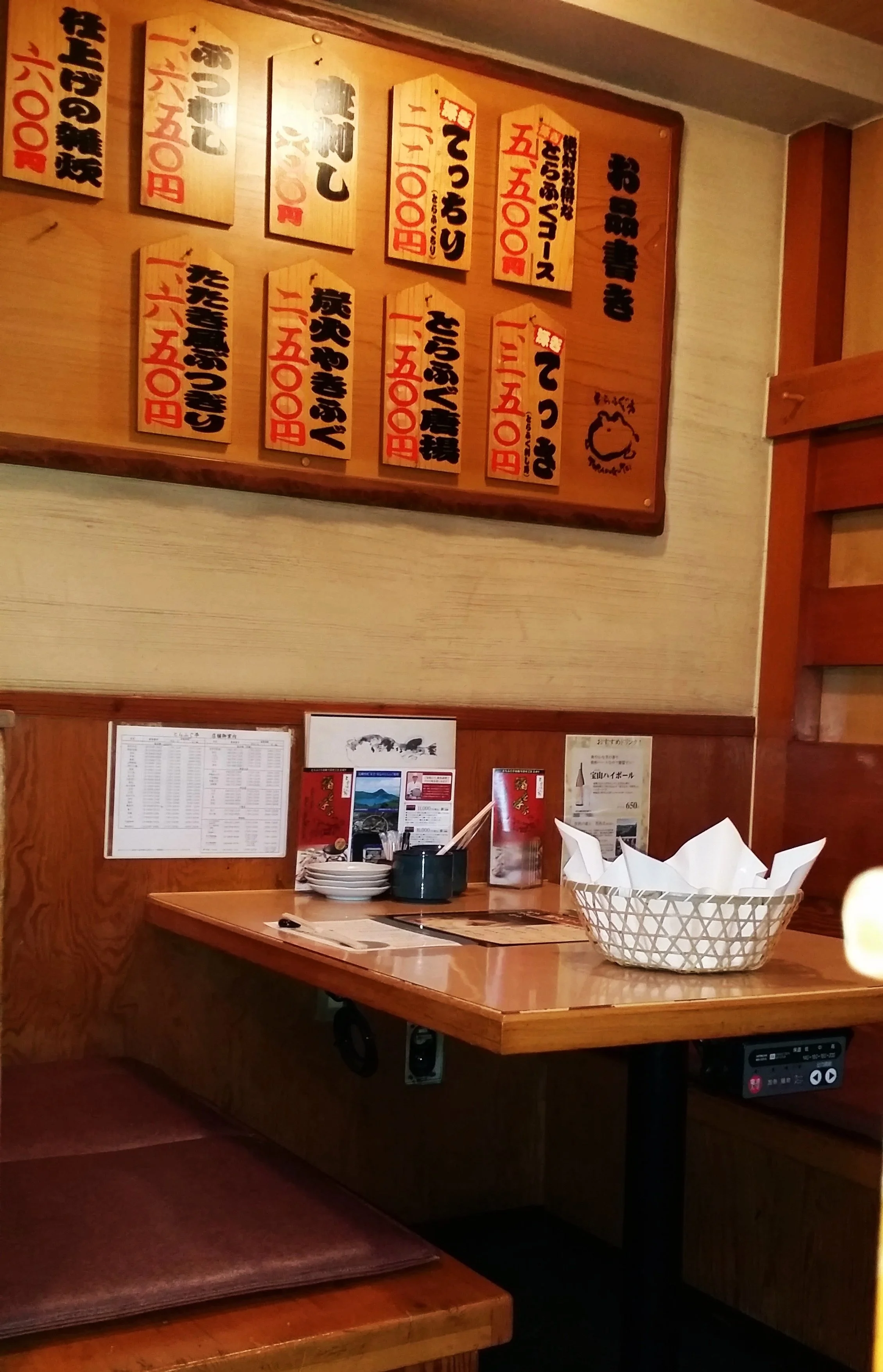
We had a 24-hour layover on our way to Vietnam and decided to stay overnight in the city. We took the train from the airport to our hotel, and what should have been a fairly simple journey somehow took us almost three hours. By the time we arrived, it was close to midnight. I was exhausted and very hungry, but we still went out looking for something to eat.
We walked around the streets searching for a restaurant. At that hour, we couldn't find much—or perhaps we simply weren't looking in the right place. Eventually, I saw a restaurant and said, essentially, this is the one; we're going in.
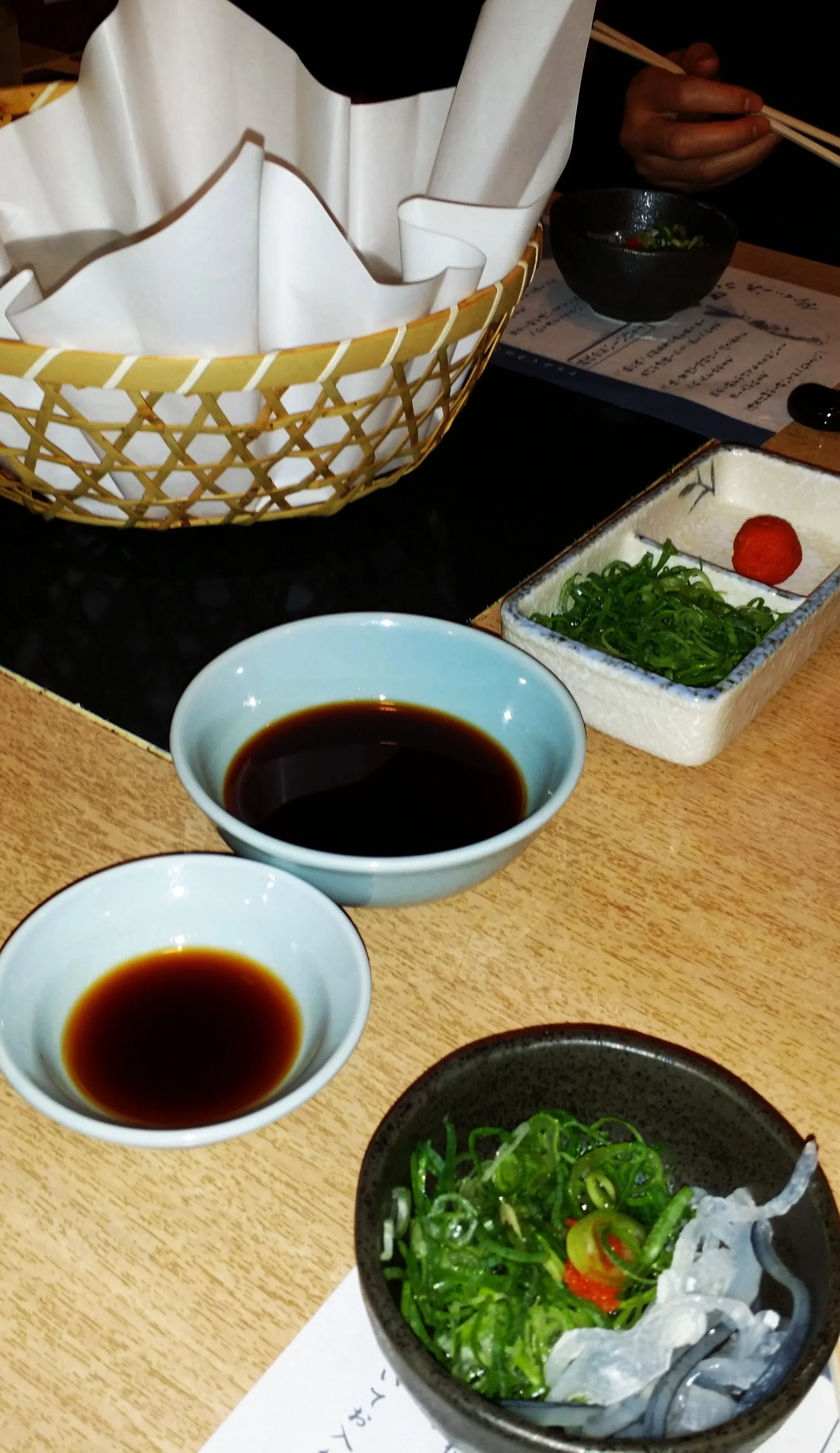
The chef and servers greeted us, and I remember seeing a fish tank near the front of the restaurant. We sat down without really knowing what we were going to have.
It turned into a wonderful meal.
We were served several courses prepared from a fish from the tank, including sushi, sashimi, and tempura. At the end of the meal, the remaining fish bones were cooked in a pot to make a flavorful broth, and cooked rice and egg were added to finish the meal.
My son couldn't eat many of the fish dishes, so tempura was one of the foods he could enjoy.
That meal also made me appreciate how different Japanese tempura is from many other styles of fried food. The coating is not supposed to be heavy. Good tempura is light, delicate, and crisp, with just enough batter surrounding the ingredient.
As we were leaving the restaurant, I finally looked more closely at the fish tank near the entrance. The fish suddenly looked familiar—the kind that puffs itself up like a balloon when threatened. I thought, Wait a minute…isn't that the poisonous one? Is that what we just ate?
We had walked into the restaurant exhausted and hungry without really knowing what we were ordering. Only after finishing dinner did I begin wondering, Am I going to wake up tomorrow?
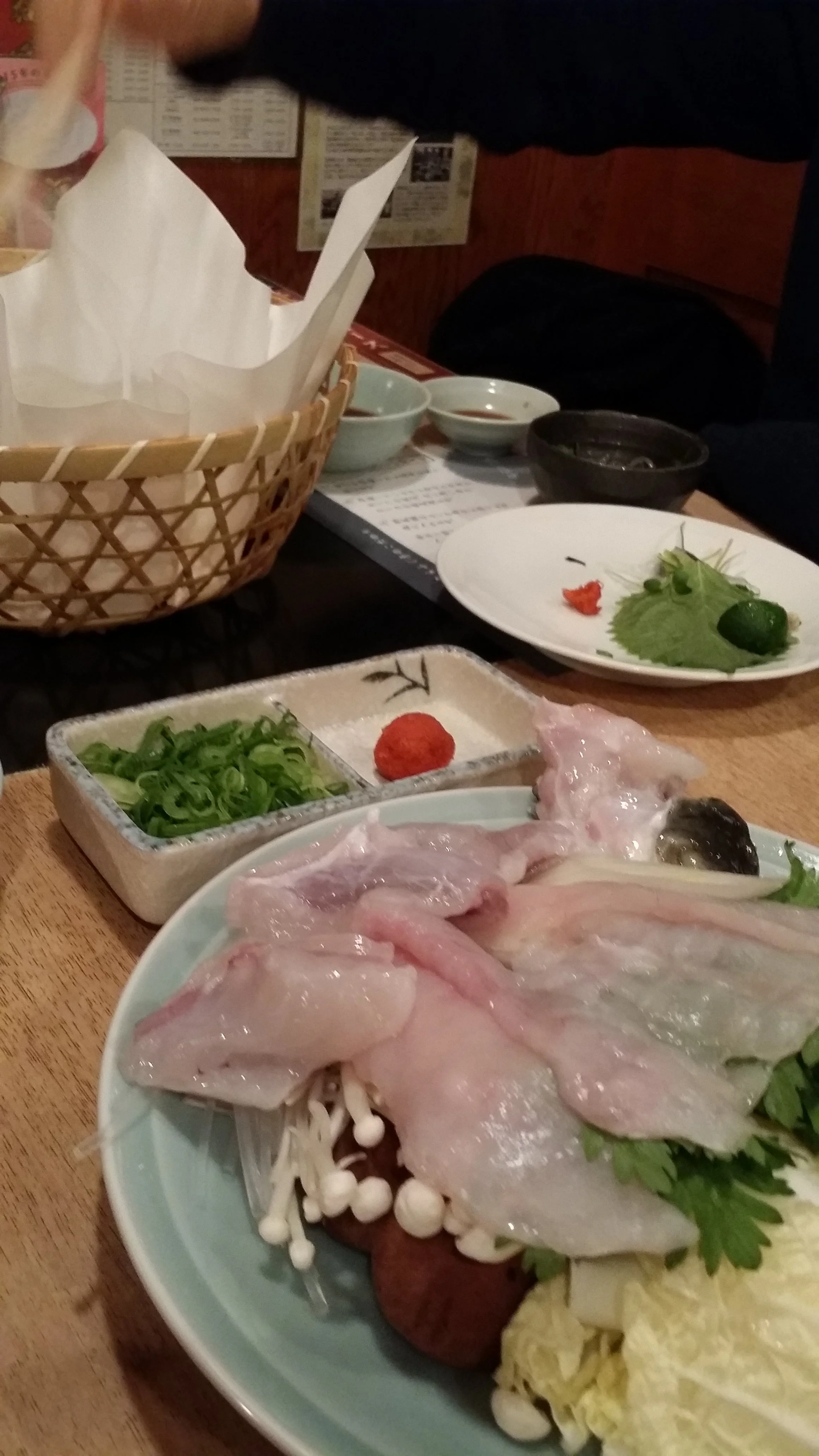
Of course, we were fine. And after all these years, what stayed with me most from that meal was the tempura. My son couldn't eat many of the fish dishes, but he could enjoy the tempura. The coating was so different from heavier fried batters I knew, light, delicate, and crispy. That texture inspired me to make tempura at home.
This carrot tempura uses that same idea.
Tempura Batter
1 large egg
500ml cold water
Cake flour
Potato starch
Cornstarch can be substituted for the potato starch
For the dry mixture, use approximately equal parts cake flour and potato starch.
You will need approximately 1 cup (250ml by volume) of the combined flour mixture for the batter, plus a little extra for dusting the carrots.
Recipe note: Because your original formula gives the flour by volume rather than weight, I would keep it that way until you've weighed your own mixture during your next batch. No need for us to invent a gram number and then have your carrots file a complaint.
Prepare the Carrots
Peel the carrots if desired and cut them into thin matchsticks or narrow strips.
I use a Japanese vegetable knife to cut the carrots quickly and evenly, but any sharp knife will work.
Keeping the pieces relatively uniform helps them cook at approximately the same rate.
Lightly dust the carrot strips with flour before dipping them into the batter. This helps the tempura batter cling to the surface.


Carrot Tempura Ingredients
Egg & Water Mixture
1 large whole egg
500ml (2 cups) cold water
Tempura Batter
60g cake flour — ½ cup
80g potato starch — ½ cup
250ml (1 cup) egg-and-water mixture
So the batter is approximately:
60g cake flour + 80g potato starch + 250ml egg-water mixture
Steps
Carrot Tempura
In a measuring jug, combine 500ml cold water with 1 well-beaten egg. Mix lightly.
In a separate bowl, measure 1 cup total flour mixture, using:
½ cup all-purpose flour
½ cup potato starch
Measure 250ml (1 cup) of the prepared egg-water mixture. You will not need all of the original 500ml mixture for this batch.
Gradually add the flour and potato-starch mixture to the 250ml egg-water mixture in three additions. Mix gently after each addition. Do not overmix, as too much mixing develops gluten and makes the tempura coating heavier.
Cut or shred the carrots into thin strips. Toss them very lightly with flour before dipping them into the tempura batter. Shake off any excess flour.
Heat the frying oil to approximately 360°F (182°C). Test the oil before beginning to fry.
Dip the carrots into the batter and carefully add them to the hot oil. Do not overcrowd the pan. Immediately spread the carrot strips slightly apart so they don't clump together.
Fry for a few minutes until the batter begins to become crisp.
Using chopsticks or a spoon, gently gather some of the carrot strips together into a loose cluster. Continue frying for another few minutes, until golden and crisp.
Lift the tempura from the oil and allow the excess oil to drain.
Sprinkle lightly with salt and serve immediately while hot and crispy.

Fry
Heat the frying oil to approximately 350–360°F (175–182°C).
If you don't have a thermometer, drop a small amount of batter into the oil. It should immediately sizzle and rise toward the surface without burning.
Lightly dust the carrot strips with flour.
Dip the carrots into the tempura batter, allowing excess batter to drip away.
Carefully lower small portions into the hot oil.
Immediately spread the carrot strips slightly so they don't become one enormous carrot raft.
Fry in small batches. Do not overcrowd the oil, which lowers its temperature and makes the tempura heavier and greasier.
Fry until the batter is crisp and the carrots are tender.
If you're making small clusters of carrot tempura, gently gather the strips together toward the end of frying and cook for approximately another minute to set the shape.
Remove and drain well.
Sprinkle lightly with salt and serve immediately while hot and crisp.
Serve on its own or with a dipping sauce such as ponzu.
Kitchen’s note — The Secret Is a Light Batter
Your technique deserves emphasis here:
Keep the water cold. Cold batter meeting hot oil helps create that characteristic delicate coating.
Don't overmix. You aren't making cake batter. A few lumps are preferable to developing too much gluten.
Use potato starch. Your combination of cake flour and potato starch reduces the amount of gluten-forming wheat flour and contributes to the crisp texture.
Dust before dipping. A very light flour coating helps the wet batter adhere to the carrots.
Maintain the oil temperature. If the oil cools too much, the coating absorbs more oil instead of becoming quickly crisp.
Fry in small batches. Tempura needs room in the oil.
By following these tips and techniques, you can create delicious and crispy carrot tempura that’s sure to impress!
Enjoy tempura !
see my Beef stir-fry