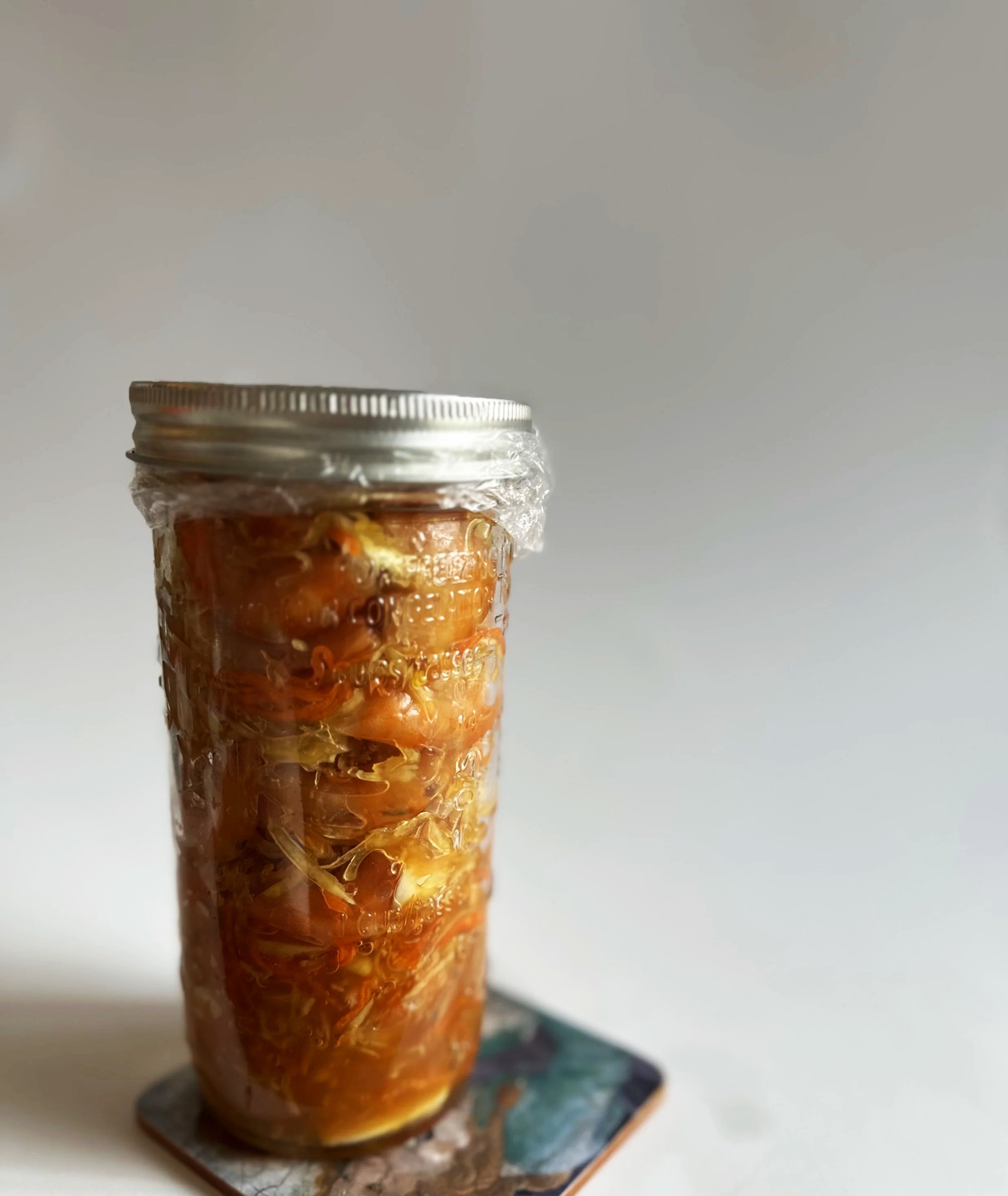
Mắm Tôm Chua | Vietnamese Fermented Pickle Shrimp
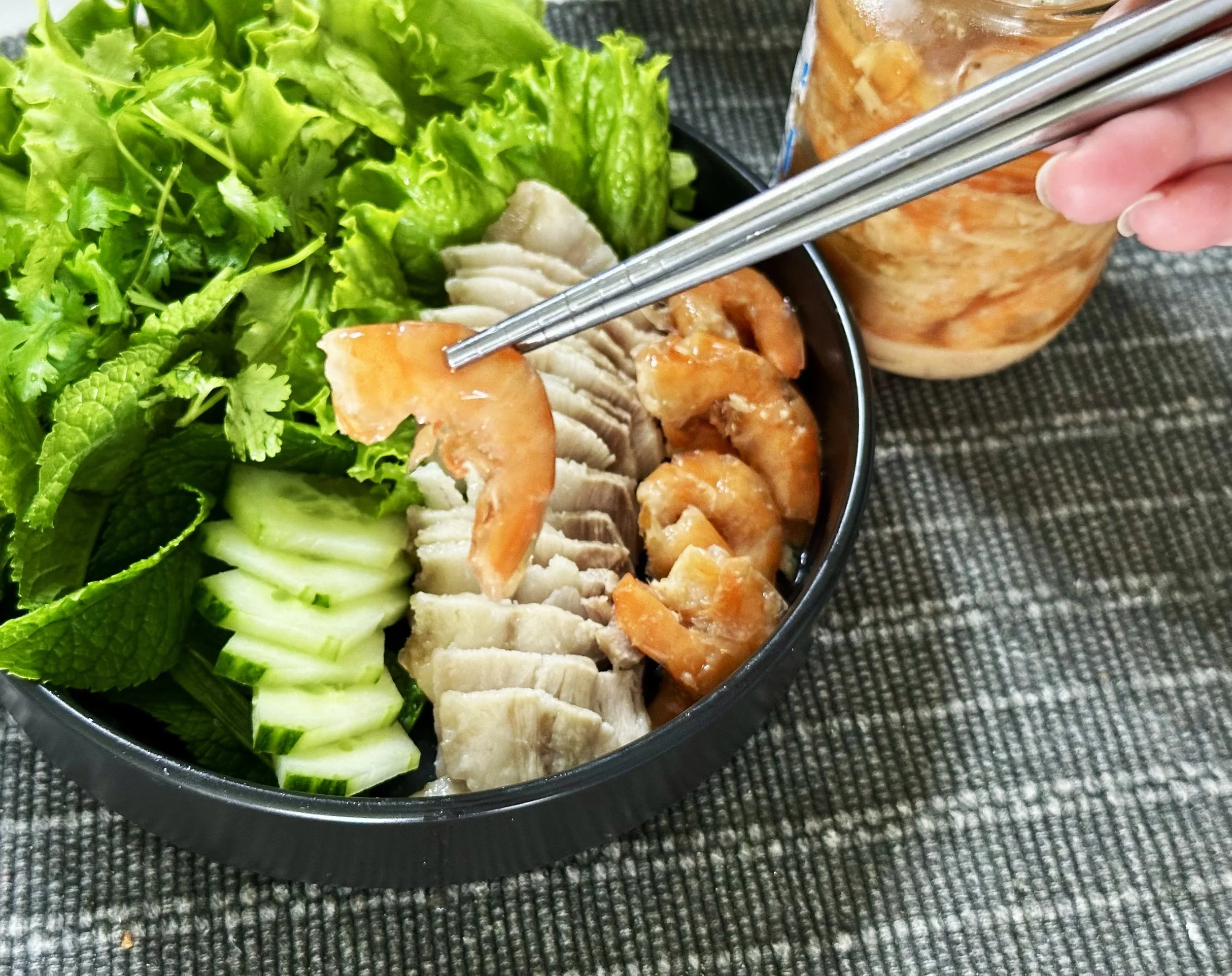
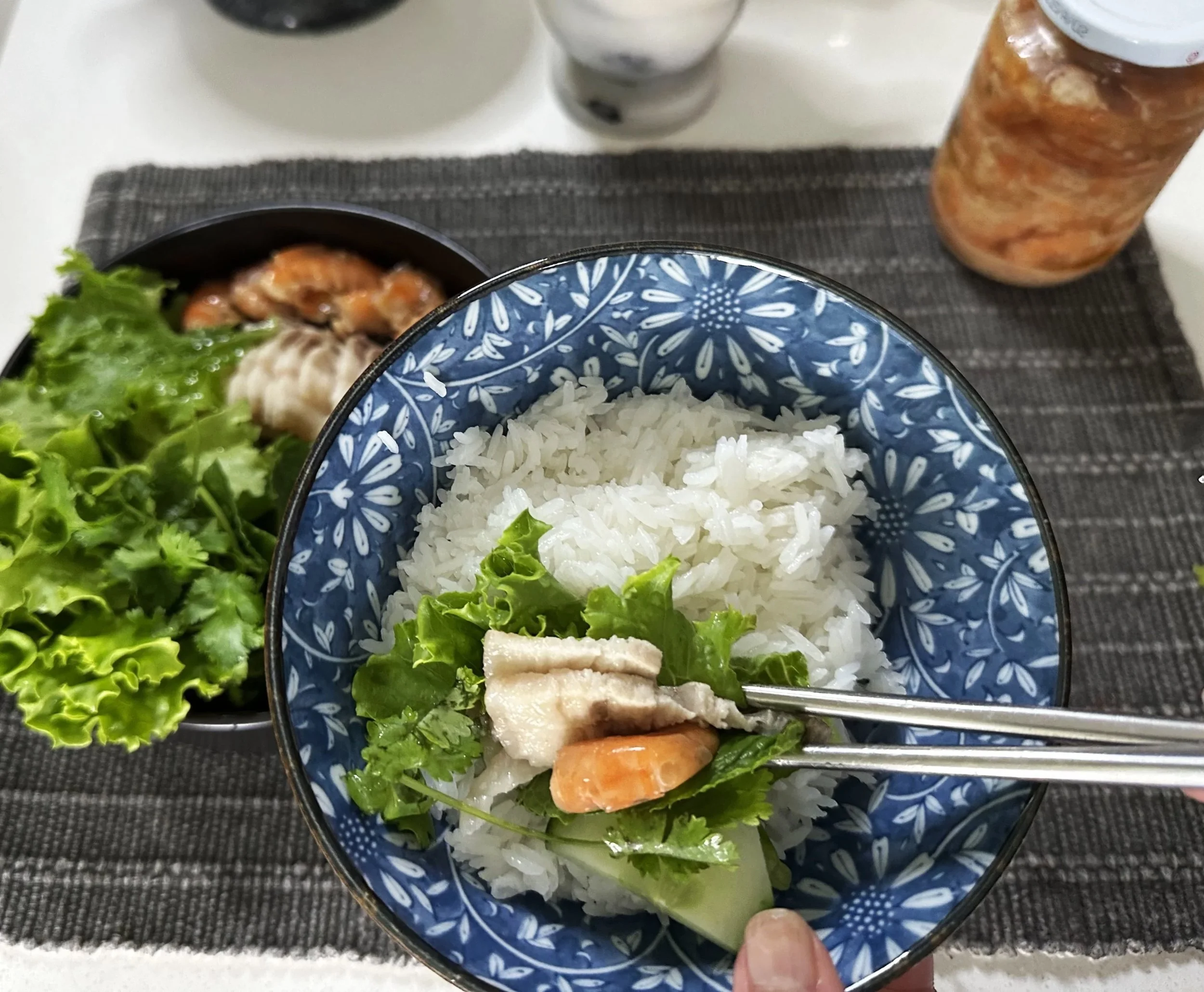
Mắm tôm chua has a beautifully balanced flavor—salty, slightly sweet, pleasantly sour, and fragrant with garlic and galangal. As it ferments, the shrimp develop a beautiful pink-red color and a complex flavor that pairs perfectly with boiled pork belly, fresh herbs, steamed rice, or rice noodles.
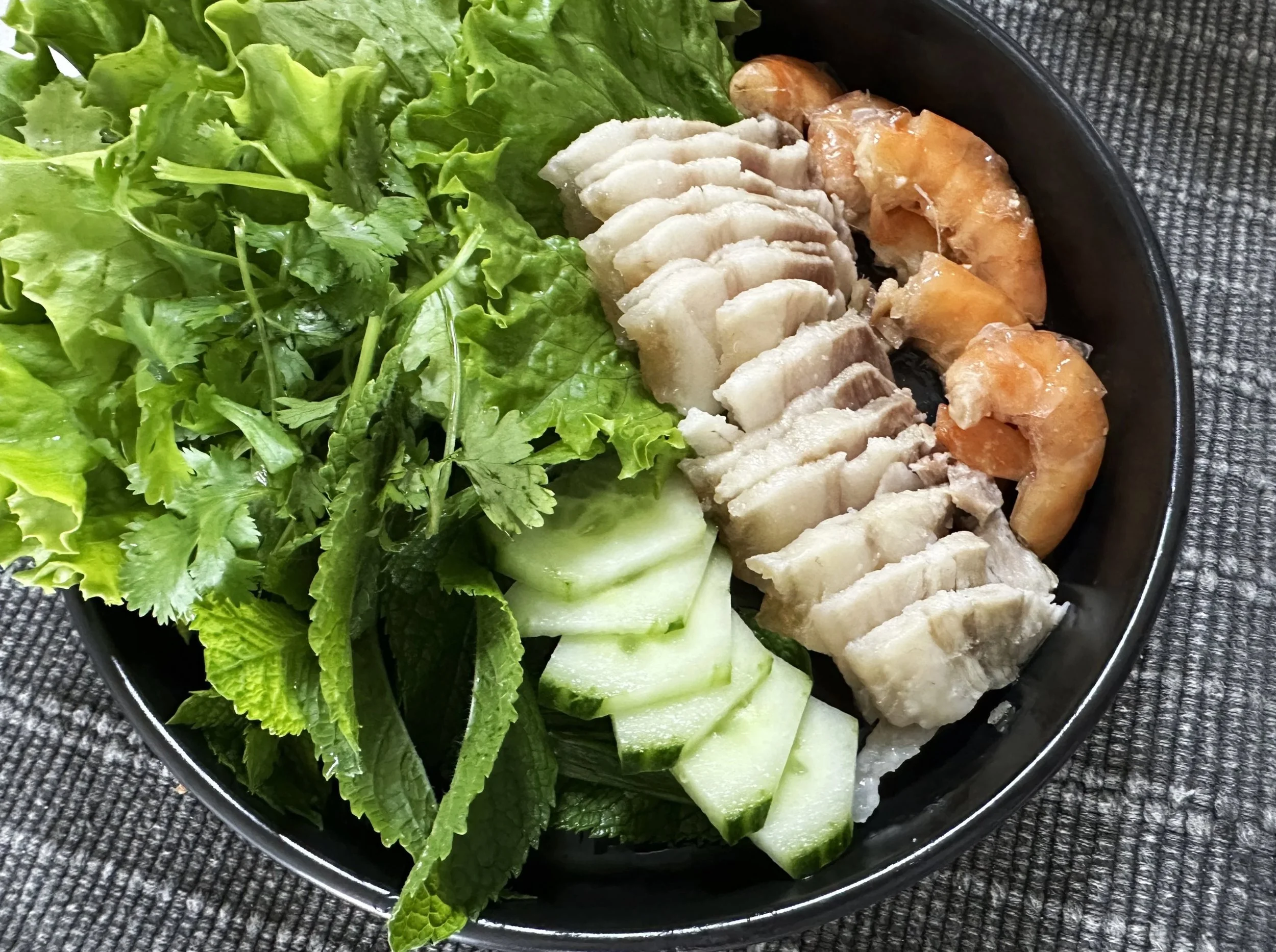
Today I'm sharing my mother's recipe for mắm tôm chua, a sour fermented shrimp condiment that my family from Hanoi has made for many years.
Fresh shrimp are carefully cleaned, seasoned with fish sauce, garlic, galangal, and chili, then left to ferment naturally in the sun. Over several days, the shrimp slowly turn a beautiful pink-red color and develop their signature sweet, tangy, and savory flavor.
Growing up, this was always one of those special condiments that appeared on the table alongside boiled pork belly, fresh herbs, and hot steamed rice. Every family has their own way of making it, and this is the recipe my mother has trusted for years.
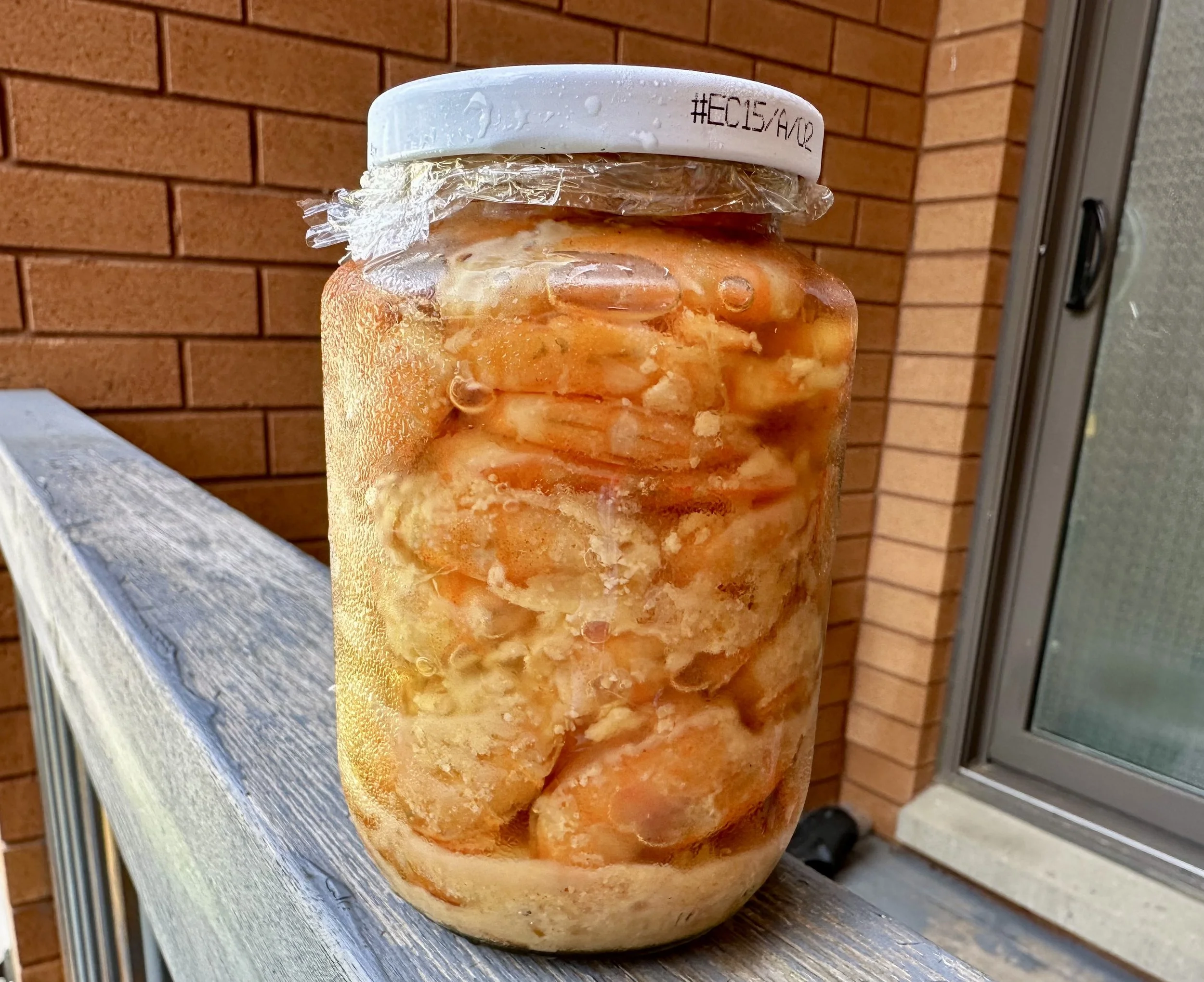
In Vietnam, small fresh river or sea shrimp are traditionally used. Here in North America, frozen small shrimp work well and still produce excellent results.
Choosing the Shrimp
The best shrimp for mắm tôm chua are small, tender shrimp with thin, soft shells. They are traditionally fermented whole, allowing the shells to soften during fermentation so they can be eaten along with the shrimp.
If you live in North America, I recommend using headless frozen shrimp, size 90/110, which means there are approximately 90 to 110 shrimp per pound. They have tender shells and are the closest substitute to the fresh shrimp commonly used in Vietnam.
A 400g package works well for this recipe.
In Vietnam, my mother always bought fresh live shrimp from the market. When the shrimp arrived at our house, they were still jumping. I remember sitting beside her with a pair of scissors as she patiently taught me how to clean and trim each shrimp. We left the heads on because the shrimp were incredibly fresh.
Here in North America, however, frozen headless shrimp are my preferred choice. They are convenient, consistent, and produce excellent results while making the preparation much easier.
Choose shrimp that:
Are small (90/110 size is ideal)
Have thin, soft shells
Smell fresh and clean
Show no signs of freezer burn or discoloration
Avoid large shrimp, as their shells are thicker and the texture is not as tender after fermentation.
Ingredients
400g small shrimp, fresh or frozen
¼ Fish sauce
¼ Sugar
Salt to wash the shrimp
4-5 cloves of garlic, thinly sliced | 1 1/3 tbsp
1 Fresh galangal size about 2 -3 in, dice or cut into thin matchsticks
Chili or chili powder (optional)
2 tbsp Toasted rice powder
40% alcohol (vodka or another neutral spirit)
Steps
1. Prepare the Shrimp
Wash the shrimp several times with salt until the water runs clear.
Trim the sharp rostrum (the point on the head if you used fresh shrimp with head on) and any long whiskers if desired.
Drain well.
Soak the shrimp in the alcohol for 1 hour then drain completely.
2. Prepare the Fish Sauce
Combine the fish sauce and sugar in a saucepan.
Heat gently until the sugar dissolves completely.
Allow the mixture to cool completely before using.
3. Sterilize the Jar
Wash the fermentation jar thoroughly.
Wipe the inside with a little alcohol to help keep it clean.
Allow the alcohol to evaporate before filling the jar.
4. Assemble
Mix the shrimp with the garlic and galangal.
Sprinkle in the toasted rice powder and chili, if using. Arrange the shrimp in the jar.
Pour the cooled fish sauce over the shrimp until they are completely covered.
If desired, add a small splash of the remaining alcohol. Use only a little, as too much alcohol can slow fermentation and create a harsh flavor.
5. Ferment
Seal the jar and place it in direct sunlight during the day.
Bring it indoors each evening.
Depending on the weather, fermentation usually takes several days 7-10 days.
The shrimp are ready when they turn a beautiful pink-red color and develop a pleasant sweet, tangy aroma.
How to Serve
Mắm tôm chua is delicious served with:
Boiled pork belly
Fresh herbs
Steamed rice
Rice noodles
Lettuce wraps
The combination of salty, sweet, tangy, and aromatic flavors makes it one of Vietnam's most beloved fermented condiments.
Storage
Once the shrimp have finished fermenting, store the jar in the refrigerator. Homemade mắm tôm chua is best enjoyed within a reasonable period while the flavor is at its peak. Always use a clean, dry spoon when serving, keep the shrimp submerged in the brine, and discard the batch if you notice mold, unusual discoloration, or an unpleasant odor.
Tips
Use the freshest shrimp available.
Make sure all jars and utensils are very clean.
Always allow the fish sauce mixture to cool before pouring it over the shrimp.
Warm sunny weather produces the best fermentation.
The shrimp should smell pleasantly fermented, never sour or unpleasant.
This is more than a recipe—it's a tradition that has been passed down in my family, and I'm happy to share it with you.