LEVEL 3: Module 9: Custards, Fillings & Dessert Foundations
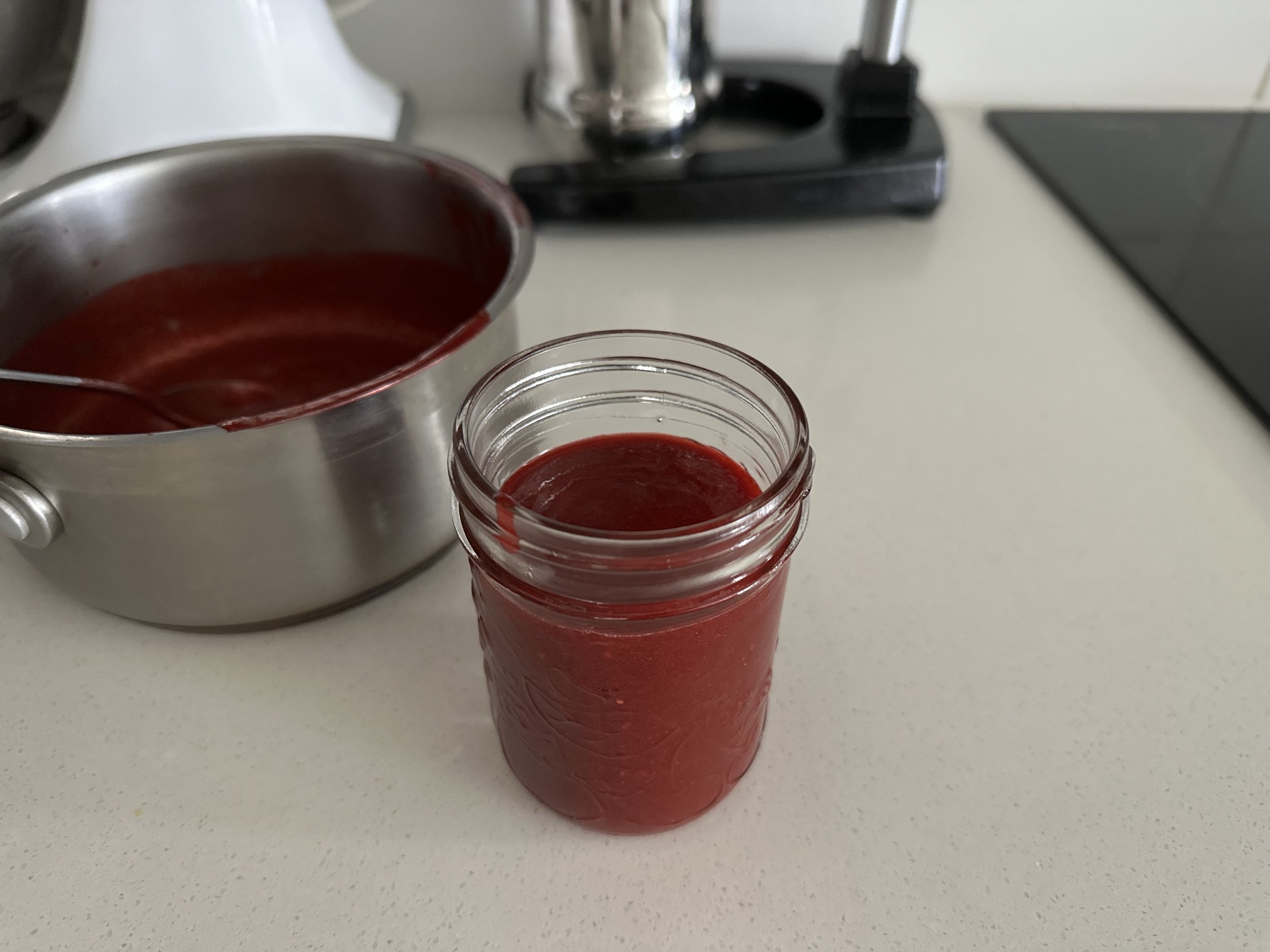
Raspberry Coulis
A smooth raspberry sauce with bright flavor and soft texture.
Perfect for plated desserts, cheesecakes, mousse cakes, tarts, and ice cream.
Ingredients
400g raspberries
200ml water
100g sugar
½ lemon juice
Cornstarch Slurry
20g cornstarch
enough water to make a paste
Before You Start
Stir cornstarch completely smooth before adding
Straining removes seeds for a smoother coulis
Thickness can be adjusted depending on use
Method
1. Cook the Fruit
In a saucepan, combine:
water
sugar
lemon juice
Bring to a boil.
Add raspberries and return to a gentle boil.
2. Strain
Pass the mixture through a chinois or fine strainer.
👉 This creates a smooth sauce without seeds.
3. Test the Texture
Test the consistency by placing a small dot of coulis onto a flat surface or plate.
👉 The coulis should hold softly without spreading too thin.
4. Adjust Thickness
Return the coulis to low heat.
Add cornstarch slurry gradually while stirring continuously.
Bring back to a gentle boil until slightly thickened.
What to Look For
smooth texture
vibrant color
balanced sweet-tart flavor
lightly thickened consistency
Common Mistakes
adding dry cornstarch directly → lumps
overcooking → dull flavor and color
skipping straining → rough texture
Important Insight
A coulis should remain fluid and elegant — not thick like jam.
The purpose is to enhance desserts, not overpower them.
Ways to Use Coulis
plated desserts
cheesecake
mousse cakes
panna cotta
ice cream
pavlova
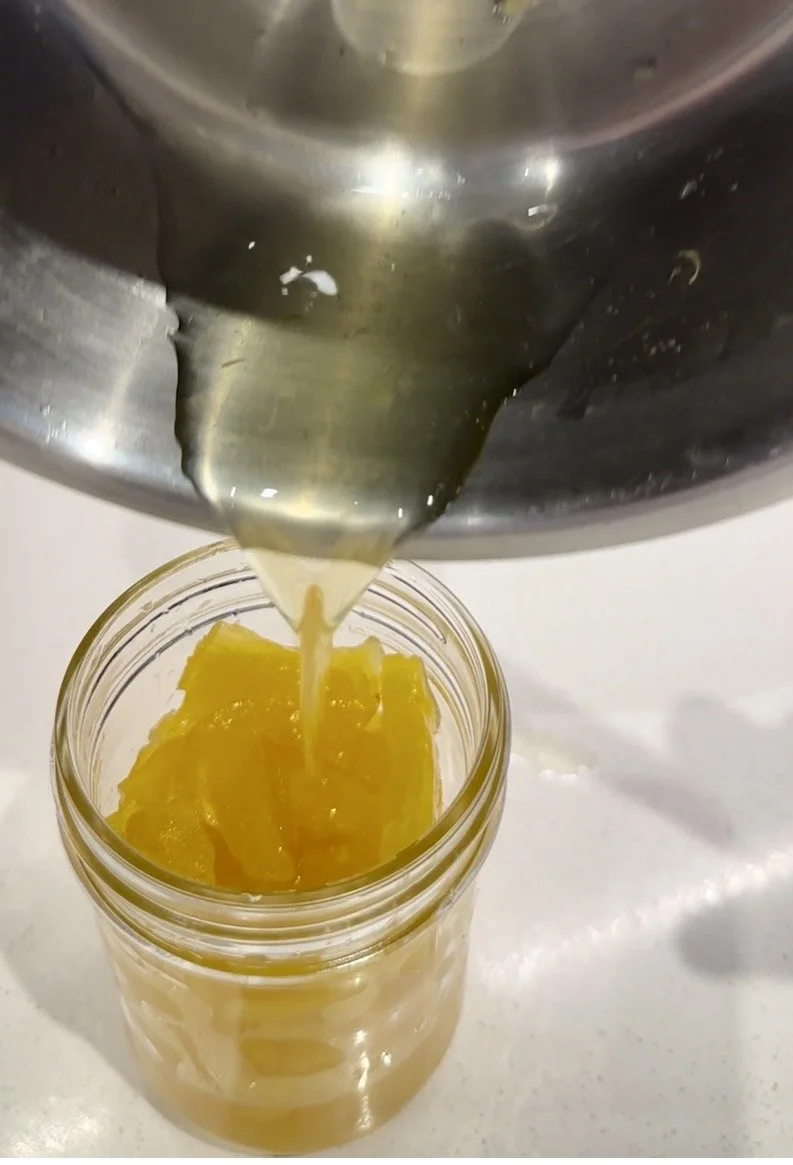
Pineapple Compote | Fruit Compote
A soft fruit filling with bright pineapple flavor and gentle sweetness.
This compote works well in cakes, pastries, tarts, yogurt, and dessert fillings.
Ingredients
fresh pineapple, chopped
sugar (adjust to taste)
lemon juice
Before You Start
Pineapple naturally contains a lot of water
Sugar helps draw out moisture from the fruit
Lower sugar creates a fresher fruit flavor
Method
1. Prepare the Fruit
Combine chopped pineapple with sugar.
Let the fruit rest until the sugar begins dissolving naturally into the fruit juices.
👉 This helps soften the fruit before cooking.
2. First Cooking
Add lemon juice.
Cook over medium heat for about 20 minutes.
3. Resting Stage
Turn off the heat and allow the mixture to cool completely.
You may leave it overnight at room temperature if preparing for a second cooking.
👉 This resting stage deepens the flavor and improves texture.
4. Second Cooking
Cook again for another 20 minutes until the compote thickens slightly.
What to Look For
soft fruit texture
glossy appearance
concentrated pineapple flavor
lightly thickened consistency
Common Mistakes
cooking too aggressively → dull flavor
too much sugar → overpowering sweetness
skipping resting stage → less developed flavor
Important Insight
Cooking fruit in stages helps preserve flavor while slowly concentrating the natural juices.
Lower sugar allows the pineapple flavor to remain fresh and balanced.
Ways to Use Compote
cake filling
tart filling
yogurt topping
plated desserts
breakfast pastries
Fruit Compote Variation
This method can also be used with:
peaches
berries
apricots
mango
plums
Different fruits release moisture differently, so sugar and cooking time can be adjusted depending on the fruit and desired texture.