
LEVEL 2 : Module 8: Creams Fillings, Meringues & Mousses
Introduction
Buttercream is more than just frosting.
It adds structure, texture, flavor, and balance to cakes and desserts.
Different styles of buttercream create different results, some are sweeter, some lighter,
some more stable.
Learning how buttercream behaves helps build confidence in decorating and cake assembly.
American Buttercream
Sweet, simple, and easy to make.
This style is commonly used for beginner decorating and celebration cakes.
Ingredients
225 g unsalted butter, softened, about 1 cup
500 g icing sugar, about 4 cups
2 to 3 tbsp milk or cream
1 tsp vanilla
Pinch of salt
Method
Beat butter until smooth and light
Gradually add icing sugar
Add milk and vanilla
Mix until fluffy
What to Look For
smooth texture
light consistency
easy to pipe
Common Mistakes
butter too cold → lumpy buttercream
too much sugar at once → heavy texture
overmixing → too much air bubbles
Tip
Use sifted icing sugar for the smoothest result.
Swiss Meringue Buttercream
Smooth, silky, and less sweet than American buttercream.
A favorite for cakes that need a softer and more elegant finish.
Ingredients
5 egg whites | 250g
250g sugar
340g unsalted butter, softened
1 tsp vanilla
Method
Heat egg whites and sugar over double boiler
Whisk until sugar dissolves completely
👉 Mixture should feel smooth, not grainy
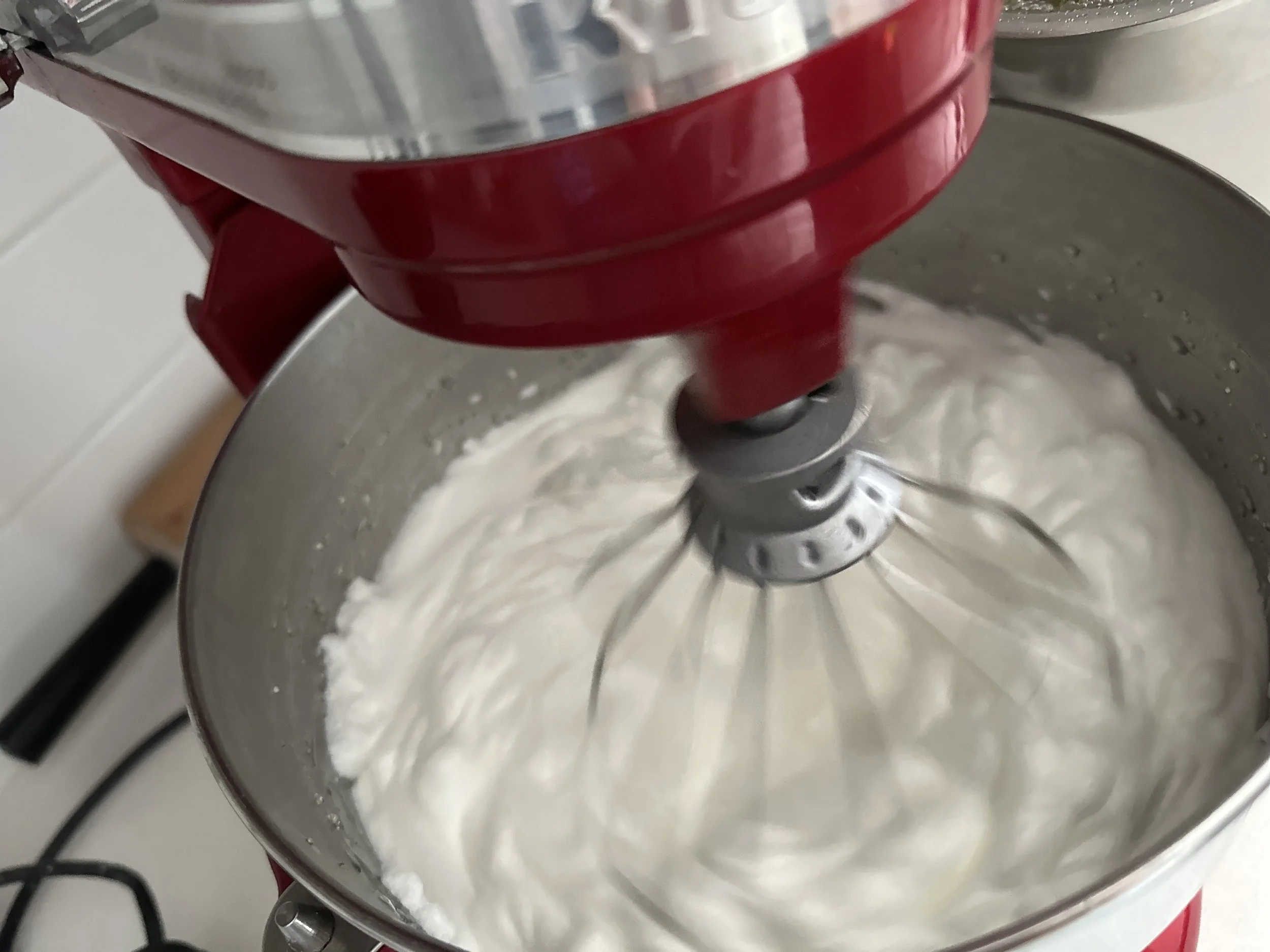
Whip into glossy stiff meringue
Cool meringue before adding butter
Add butter slowly, one piece at a time
Continue mixing until smooth and silky
What to Look For
glossy meringue
smooth buttercream
silky texture
Common Mistakes
warm meringue → melted buttercream
butter too cold → curdled texture
stopping too early → mixture looks broken
Important Insight
Swiss meringue buttercream often looks split before it comes together.
Keep mixing patiently.
Italian Buttercream
Smooth, light, and stable — Italian buttercream is made by pouring hot sugar syrup into whipped egg whites before adding butter.
It creates a silky buttercream that is less sweet and very stable for decorating.
A stable and smooth buttercream made with hot sugar syrup.
Ideal for warmer environments and professional cake decorating.
Ingredients
150g egg whites
300g sugar
50ml water
450g unsalted butter, softened
optional: vanilla or flavoring
Before You Start
Butter should be soft, not melted
Bowl must be grease-free
Use caution with hot sugar syrup
Meringue must cool before adding butter
Method
1. Prepare the Sugar Syrup
In a saucepan, combine:
sugar
water
Cook until the syrup reaches soft-ball stage or approximately 118°C (244°F).
👉 Do not stir excessively while cooking.
2. Whip the Egg Whites
While the syrup cooks, begin whipping egg whites to medium peaks.
3. Add the Hot Syrup
Slowly pour the hot syrup into the whipped egg whites while mixing on medium speed.
👉 Pour carefully along the side of the bowl
👉 Avoid pouring directly onto the whisk
4. Whip Until Cool
Continue mixing until the meringue becomes:
glossy
thick
cooled to room temperature
5. Add the Butter
Add softened butter gradually, one piece at a time.
Continue mixing until smooth and silky.
What to Look For
glossy stable meringue
smooth buttercream
light and airy texture
silky finish
Common Mistakes
adding butter too early → melted buttercream
butter too cold → curdled texture
syrup too hot or cold → unstable meringue
stopping mixing too early → broken appearance
Important Insight
Italian buttercream often looks separated before becoming smooth.
Keep mixing patiently — the emulsion needs time to come together.
Why Bakers Use Italian Buttercream
less sweet than American buttercream
very stable
smooth texture
excellent for decorating and warmer environments
Characteristics
silky texture
stable structure
less sweet
more technical process
French Buttercream
Rich and custard-like, made with egg yolks instead of egg whites.
Soft, luxurious, and best used for fillings or softer cakes.
Ingredients
5 whole eggs
500g sugar
200ml water
500g unsalted butter, softened
1 tbsp Grand Marnier
Before You Start
Butter should be soft, not melted
Use caution when cooking sugar syrup
Buttercream is softer than Swiss or Italian buttercream
Best used in cooler environments
Method
1. Prepare the Sugar Syrup
In a saucepan, combine:
sugar
water
Cook until the syrup reaches 115–118°C (239–244°F).
👉 Avoid stirring too much while cooking.
2. Whip the Eggs
While the syrup cooks, beat the whole eggs in a mixer until light and foamy.
3. Add the Hot Syrup
Slowly pour the hot syrup into the eggs in a thin stream while mixing continuously.
👉 Pour carefully along the side of the bowl
👉 Avoid hitting the whisk directly
4. Whip Until Warm
Continue mixing until the mixture becomes thick, pale, and slightly cooled.
5. Add the Butter
Add softened butter gradually, one piece at a time.
Continue mixing until smooth and creamy.
6. Finish
Add Grand Marnier and mix until incorporated.
What to Look For
pale, airy texture
silky consistency
rich custard-like flavor
smooth finish
Common Mistakes
adding butter too early → melted buttercream
butter too cold → curdled texture
syrup overcooked → heavy texture
warm room → soft unstable buttercream
Important Insight
French buttercream is naturally softer because it uses whole eggs and high butter content.
Chilling briefly can help stabilize the texture.
Flavor Note
Grand Marnier adds a light orange aroma that balances the richness of the butter and eggs.Characteristics
rich flavor
creamy texture
naturally yellow tone
less stable in heat
Understanding Buttercream
American Buttercream
Sweetness: High
Texture: Thick and fluffy
Stability: Very stable
Best for: beginner decorating and celebration cakes
Swiss Meringue Buttercream
Sweetness: Medium
Texture: Smooth and silky
Stability: Medium to stable
Best for: elegant cakes and smoother finishes
Italian Buttercream
Sweetness: Medium
Texture: Light and airy
Stability: Very stable
Best for: warm environments and professional decorating
French Buttercream
Sweetness: Lower
Texture: Rich and creamy
Stability: Softer texture
Best for: fillings and rich desserts
Troubleshooting
Why is my buttercream curdled?
Usually:
butter too cold
temperature imbalance
👉 Keep mixing.
Why is my buttercream soupy?
Usually:
meringue too warm
butter too soft
👉 Chill briefly, then continue mixing.
Why is it grainy?
Usually:
sugar not dissolved
over whipped butter