Module 4: The Baking Process
Understanding oven behavior, timing, and doneness
Why This Recipe Matters
This recipe is all about the baking process.
You’ll learn how to:
read visual cues
understand oven behavior
recognize underbaked vs perfectly baked vs overbaked
Cookies are ideal because small changes are easy to see.
Ingredients
170g unsalted butter (soft)
120g brown sugar
50g white sugar
1 egg
1 tsp vanilla
250g all-purpose flour
½ tsp baking soda
½ tsp salt
150g chocolate chips
Step 1: Measure & Prepare
Preheat oven to 350°F (175°C)
Line baking tray with parchment paper.
Step 2: Cream Butter & Sugar
Mix butter and sugars until:
soft
slightly fluffy
well combined
Step 3: Add Egg
Add egg and vanilla.
Mix until just combined.
Step 4: Add Dry Ingredients
Add flour, baking soda, and salt.
Mix until dough forms.
Fold in chocolate chips.
Step 5: Shape
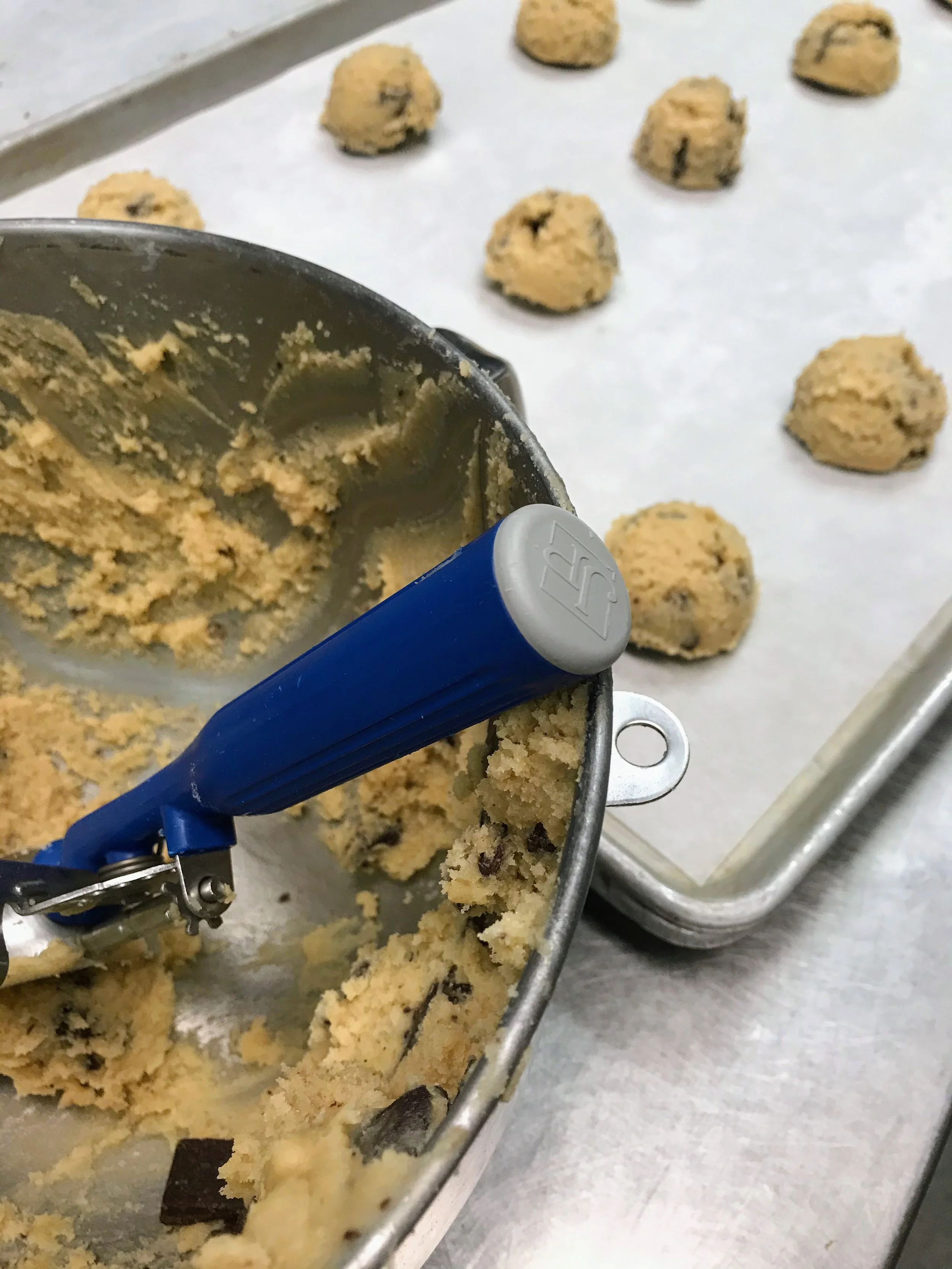
Scoop dough into equal portions.
Leave space between cookies—they will spread.
Step 6: Bake (This Is the Lesson)
Bake for 10–14 minutes, but don’t just watch the time.
Watch the cookies.
Step 7: Learn to Read the Oven
Underdone
Pale color
Very soft center
edges not set
👉 Result: too soft, may collapse
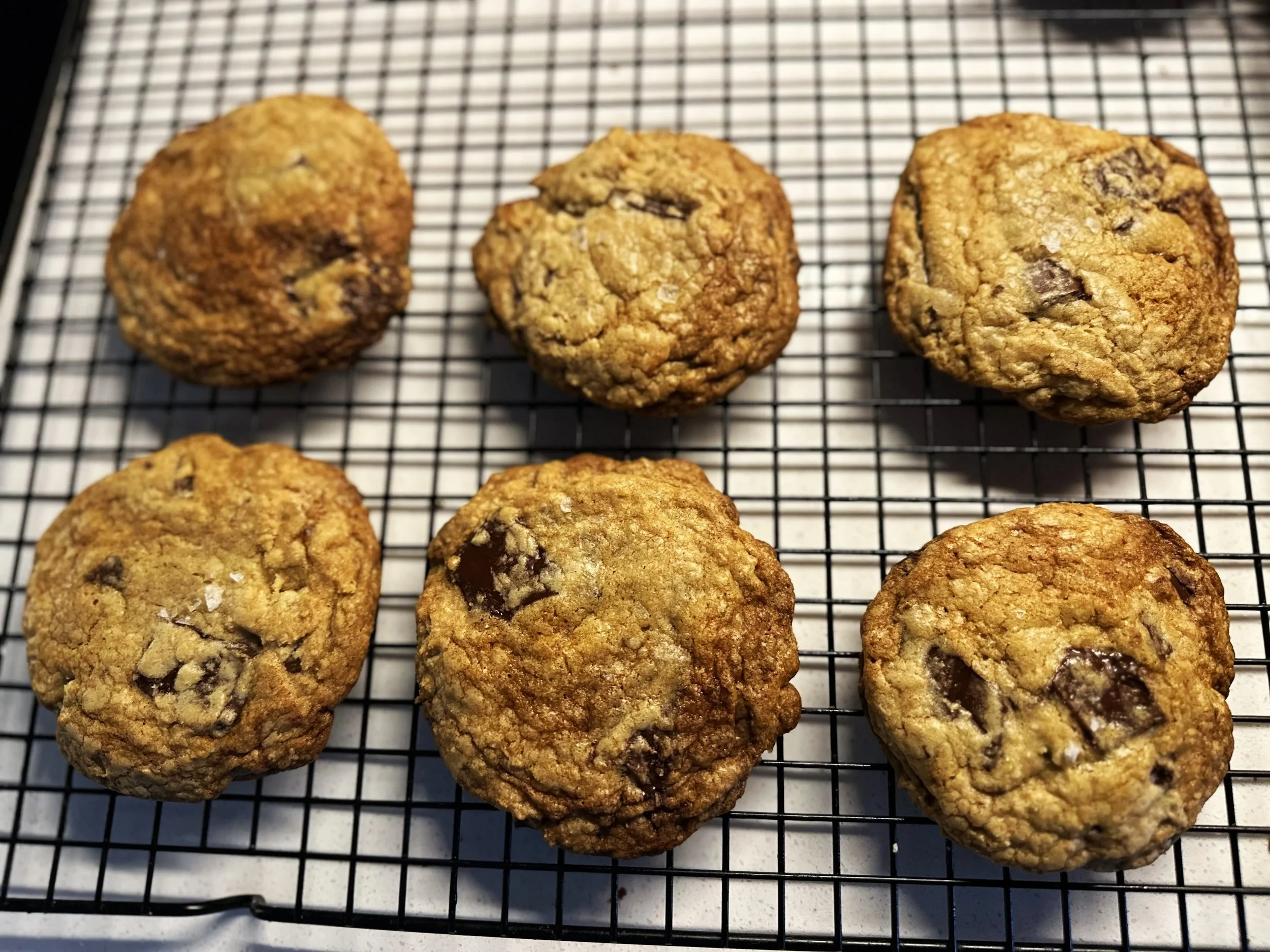
Perfect
Light golden edges
center still slightly soft
edges set
👉 Result: soft inside, crisp edge
Overbaked
Dark brown color
firm texture
dry
👉 Result: crunchy, less flavor
Your goal is not just to bake—it’s to recognize these stages.
Step 8: Do Not Move Too Early
Let cookies cool on tray for a few minutes.
They continue setting after baking.
Variations:
Add oats → oatmeal cookies
Use dark chocolate → richer flavor
Reduce sugar → less sweet version
Add nut pecan , almond.
What You Learned
This recipe teaches:
baking time is flexible
visual cues matter more than minutes
oven behavior affects results
✨ My Approach
I don’t follow time exactly.
I watch:
color
structure
edges
That tells me when it’s ready.
✔️ Summary
Focus on:
oven preheating
visual cues
patience during cooling
That’s how you control the baking process.